Hot flashes, sleep disturbances, and mood changes are some of the most recognized symptoms of menopause. Less often discussed are changes that can affect bladder control, pelvic comfort, muscle and joint health, and intimacy.
During menopause, declining estrogen levels can contribute to changes in tissues, muscles, and joints that influence how different parts of the body work together—including the pelvic floor, bladder, and bowel. [1–3]
Understanding these changes—and what you can do about them—is the first step toward feeling more comfortable and confident through menopause and beyond.
How Menopause Affects Pelvic Floor Health
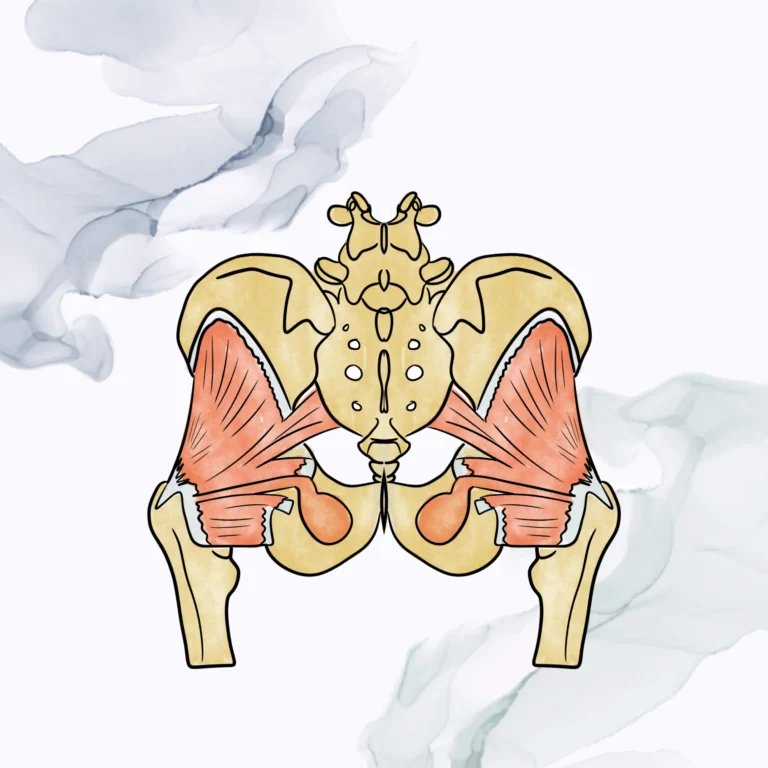
Your pelvic floor supports your bladder, uterus, and bowel and helps control urination, bowel movements, and sexual function. Declining estrogen during menopause can contribute to dryness, irritation, pain with intimacy, and other urinary symptoms.
Hormones changes are also only part of the picture. Pregnancy, prior surgery, activity levels, and muscle function also impact how your body navigates menopause, particularly your pelvic health.
How Muscles and Joints Connect to Pelvic Health
Your pelvic floor contributes to more than just bladder and bowel control, it also works with your abdominal muscles, diaphragm, and hips during movement. Changes in strength or joint comfort may affect how you lift, exercise, or manage pressure. A pelvic health evaluation should look beyond the pelvic floor alone.
Common Pelvic Health Symptoms During Menopause
1. Urinary leakage, urgency, or frequency
Leakage with coughing or exercise, sudden urgency, or frequent nighttime trips to the bathroom may involve urinary tissue changes, pelvic floor function, and bladder habits. Pelvic floor muscle training and bladder training can help with certain symptoms.
2. Dryness or pain with intimacy
Lower estrogen can contribute to vaginal dryness, irritation, and pain with penetration. Discomfort may also lead to pelvic floor muscle tension. Physical therapy can address muscular factors, while medical treatments, such as vaginal estrogen when appropriate, target tissue changes.
3. Pelvic pressure or heaviness
Pelvic heaviness or a vaginal bulge may indicate pelvic organ prolapse. Pelvic floor muscle training may ease symptoms, although it cannot reverse every anatomical change.
4. Constipation or difficulty emptying
Constipation may reflect diet, medications, activity, or pelvic floor coordination rather than hormonal changes alone. If the pelvic floor cannot relax properly during bowel movements, bowel function may be impacted.
When to Consider Pelvic Health Physical Therapy
If leakage, urgency, pelvic pressure, pain with intimacy, constipation, or movement-related discomfort affects daily life, a pelvic health evaluation may help identify contributing factors. Your therapist considers pelvic floor function alongside breathing, hip mobility, abdominal coordination, and everyday habits.
Depending on your needs, treatment may include pelvic floor strengthening or relaxation, bladder retraining, manual therapy, bowel strategies, and individualized movement exercises.
What to Expect at Your Evaluation
Your first appointment begins with a discussion of your symptoms, medical history, activity level, and personal goals. Your pelvic health physical therapist may assess pelvic floor strength and coordination, breathing patterns, hip mobility, movement patterns, and areas of muscular tension.
When appropriate, an internal pelvic floor assessment may provide additional information about muscle function. This is discussed beforehand and performed only with your informed consent. Findings should guide a treatment plan tailored to your symptoms rather than a one-size-fits-all approach.
Menopause Is a Transition, Not a Reason to Settle
Menopause brings many changes to your body, but discomfort and limitations are not inevitable. Understanding how hormonal, muscular, and movement-related factors interact can help you age gracefully and navigate this stage of life with comfort and confidence.
At Pelvic Health Solutions, our pelvic health physical therapists provide private, one-on-one, full-hour appointments. Call 561-288-2990 or complete our contact form to schedule an evaluation.
Sources & Further Reading
[1] The North American Menopause Society. The 2020 genitourinary syndrome of menopause position statement. Menopause. 2020. https://doi.org/10.1097/GME.0000000000001609
[2] ACOG. The Menopause Years.
[3] Dumoulin C, et al. Pelvic floor muscle training versus no treatment for urinary incontinence in women. Cochrane Database Syst Rev. 2018. https://doi.org/10.1002/14651858.CD005654.pub4
[4] NICE. Urinary incontinence and pelvic organ prolapse in women: management. NG123. https://www.nice.org.uk/guidance/ng123
[5] American College of Gastroenterology. Management of benign anorectal disorders (2021). https://pubmed.ncbi.nlm.nih.gov/?term=ACG+Clinical+Guidelines+Management+of+Benign+Anorectal+Disorders+2021