Bladder symptoms are more common than most people realize—but that doesn’t mean they should be ignored. Whether it’s leaking with a sneeze, a constant urge to “go,” or a feeling of not fully emptying, changes in bladder function can impact everything from daily comfort to sleep and confidence.
At Pelvic Health Solutions, we take a full-body approach to treating bladder symptoms. Understanding how your bladder works—and what can go wrong—is the first step to getting the right care.
How the Bladder Works
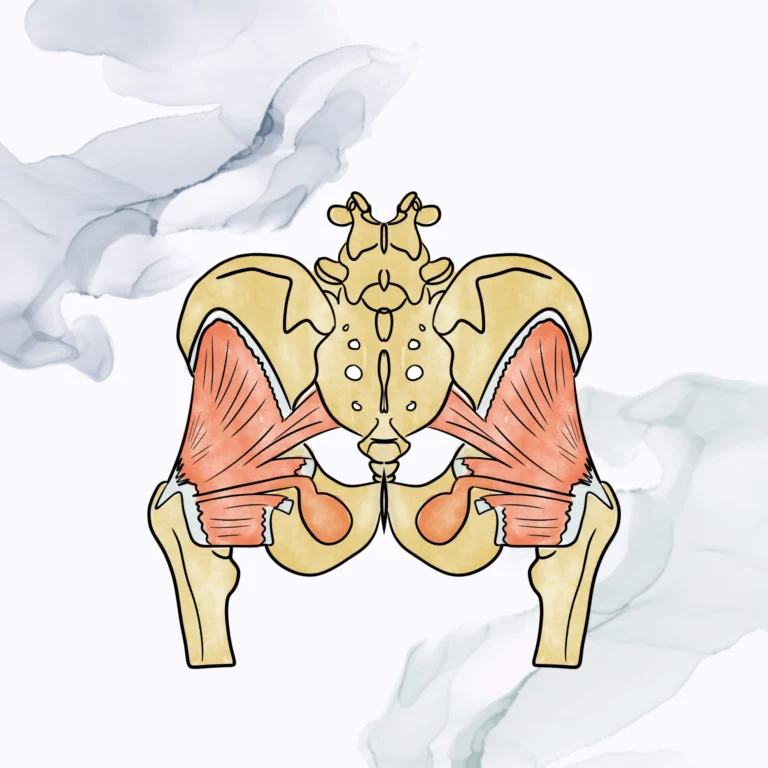
The bladder is a hollow, muscular organ that collects and stores urine produced by the kidneys. It works in close coordination with the pelvic floor muscles and nervous system to regulate when and how urine is released.
A healthy bladder system includes:
- Storage: As the bladder fills, stretch receptors in the bladder wall send signals to the brain.
- Control: The brain evaluates whether it’s an appropriate time and place to urinate.
- Emptying: When you’re ready, the bladder contracts while the pelvic floor muscles relax, allowing urine to pass through the urethra.
Most people urinate every 2–4 hours, and a healthy bladder typically holds 10–15 ounces of urine before signaling the need to go.
When Bladder Function Is Disrupted
When the communication between your bladder, brain, and pelvic floor muscles breaks down, symptoms can emerge. These vary based on the type of dysfunction:
1. Urinary Incontinence
- Stress incontinence: Leaking during coughing, sneezing, laughing, or exercise
- Urge incontinence: A sudden, intense need to urinate followed by leaking
- Overflow incontinence: Constant dribbling or leaking due to incomplete emptying
2. Frequency and Urgency
- Urinating more than 8 times per day
- Feeling unable to delay urination
- Waking multiple times at night to urinate (nocturia)
3. Incomplete Emptying
- Sensation of not fully emptying the bladder
- Needing to strain or push to urinate
- Returning to the bathroom shortly after urinating
4. Pelvic Pressure or Discomfort
- Heaviness or aching in the lower pelvis
- Pain during or after urination
- Worsening symptoms with prolonged sitting or standing
Common Causes of Bladder Dysfunction
Many bladder symptoms are rooted in issues with the pelvic floor or nervous system—not just the bladder itself. Contributing factors include:
- Pelvic floor muscle weakness or overactivity
- Poor toileting habits (such as “just in case” voiding or consistently delaying urination)
- Pelvic organ prolapse
- Postpartum changes or pelvic surgery
- Chronic constipation and straining
- Hormonal changes during menopause
- Neurological conditions such as spinal cord injury, Parkinson’s, or multiple sclerosis
- Prostate-related issues or surgery (in men)
How Pelvic Health Physical Therapy Can Help
Pelvic health physical therapy is a first-line, non-invasive treatment for many bladder symptoms. At Pelvic Health Solutions, our board-certified therapists evaluate how your muscles, posture, habits, and nervous system may be contributing.
Your personalized treatment plan may include:
- Pelvic floor muscle training to improve strength, relaxation, or coordination
- Bladder retraining to space out bathroom trips and reduce urgency
- Manual therapy to address tightness, scar tissue, or organ mobility
- Biofeedback to enhance muscle awareness and control
- Behavioral strategies, including fluid management and toileting posture guidance
Our goal is to help you regain control, reduce symptoms, and return to the activities you love—without the fear of leakage or discomfort.
When to Seek Care
Bladder symptoms might be common, but they’re not something you have to live with. If you’re experiencing leaking, urgency, frequency, or incomplete emptying—and especially if symptoms haven’t improved with lifestyle changes—it’s time to seek care.
Early intervention can make a big difference in preventing progression and improving your quality of life.
Schedule an Evaluation Today
At Pelvic Health Solutions, we offer private, one-on-one, full-hour sessions with board-certified pelvic health physical therapists. We work with patients of all genders and all stages of life to restore bladder function and improve pelvic health.
📞 Call 561-288-2990 or fill out the form to schedule your consultation today.